
Revolutionizing Food Waste Management with Eco-Extractor
Revolutionizing Food Waste Management with Eco-Extractor
Revolutionizing Food Waste Management with Eco-Extractor
Discover the Science behind Eco-Extractor
Discover the Science behind Eco-Extractor
Discover the Science behind Eco-Extractor
STEP 1
Food Waste Collection
& Sorting
Food Waste Collection
& Sorting
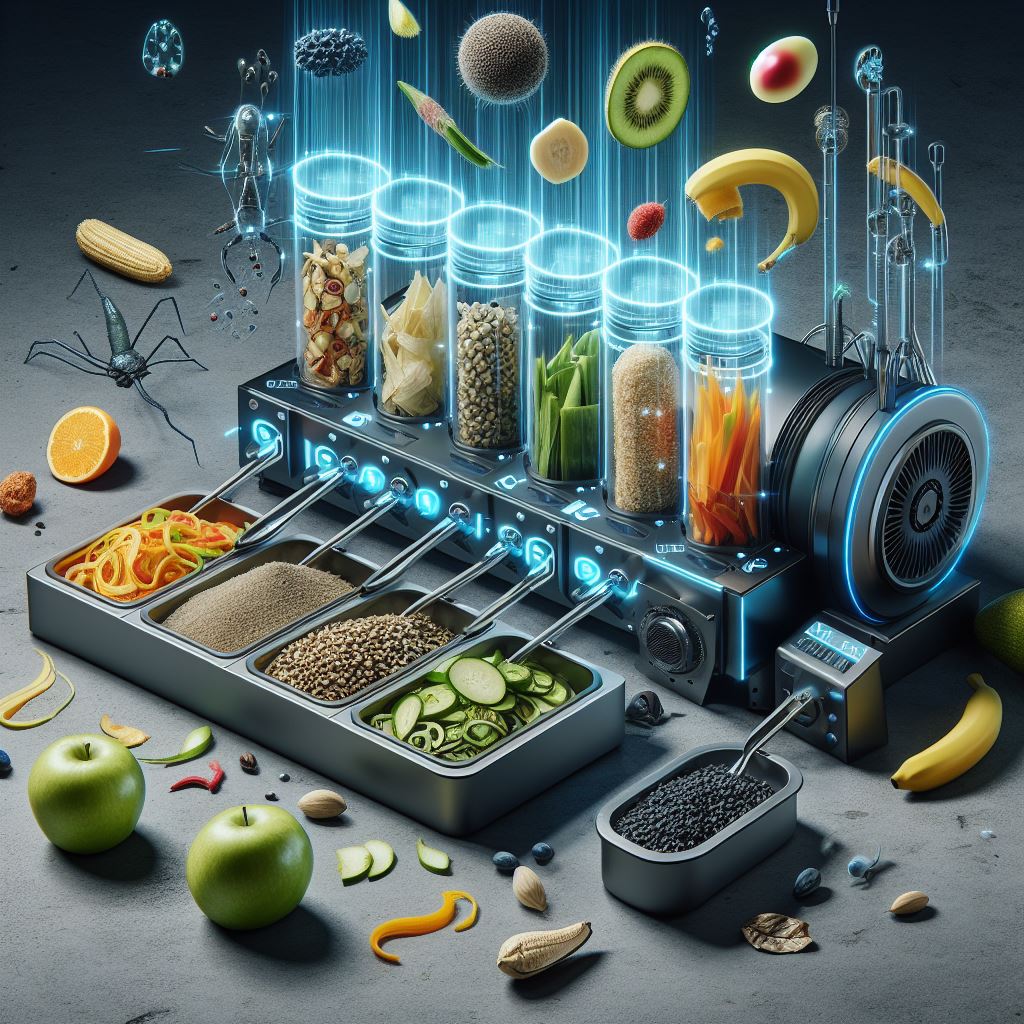
Our system is equipped with a suite of advanced sensors and sophisticated sorting mechanisms that automatically separate different types of waste with a high degree of precision. This includes using computer vision, spectroscopy and other analytical techniques to accurately distinguish edible food scraps from inedible parts like peels, bones, seeds, and other non-consumable organic matter.
The system is able to rapidly identify and segregate the nutrient and mineral-dense food waste components before and after the extraction process, ensuring that the maximum amount of valuable nutrients are captured and preserved. The waste sorting subsystem utilizes a combination of physical separation, density-based sorting, and targeted chemical analysis to meticulously categorize the incoming waste stream.
Our system is equipped with a suite of advanced sensors and sophisticated sorting mechanisms that automatically separate different types of waste with a high degree of precision. This includes using computer vision, spectroscopy and other analytical techniques to accurately distinguish edible food scraps from inedible parts like peels, bones, seeds, and other non-consumable organic matter.
The system is able to rapidly identify and segregate the nutrient and mineral-dense food waste components before and after the extraction process, ensuring that the maximum amount of valuable nutrients are captured and preserved. The waste sorting subsystem utilizes a combination of physical separation, density-based sorting, and targeted chemical analysis to meticulously categorize the incoming waste stream.
STEP 2
Nutrient & Mineral Extraction
Nutrient & Mineral Extraction
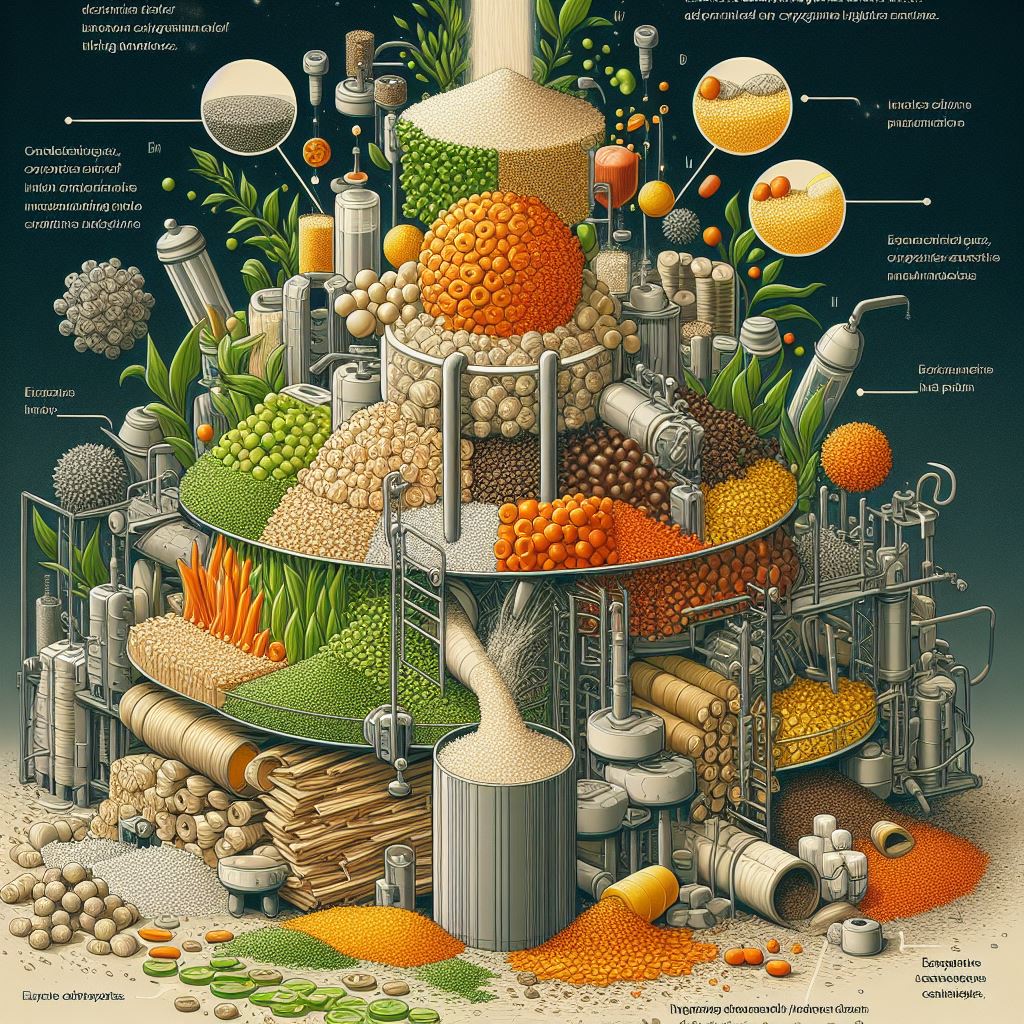
The sorted organic matter, such as fibrous materials like cellulose from vegetable stems and peels, undergoes further intensive breakdown into its most basic constituent elements, including carbon, hydrogen, oxygen and nitrogen using advanced enzymatic hydrolysis techniques. This process involves exposing the organic matter to carefully selected enzymes that rapidly cleave the complex carbohydrates, proteins and lipids into their simplest monomeric building blocks.
The sorted organic matter, such as fibrous materials like cellulose from vegetable stems and peels, undergoes further intensive breakdown into its most basic constituent elements, including carbon, hydrogen, oxygen and nitrogen using advanced enzymatic hydrolysis techniques. This process involves exposing the organic matter to carefully selected enzymes that rapidly cleave the complex carbohydrates, proteins and lipids into their simplest monomeric building blocks.
STEP 2
Deconstruction
Deconstruction
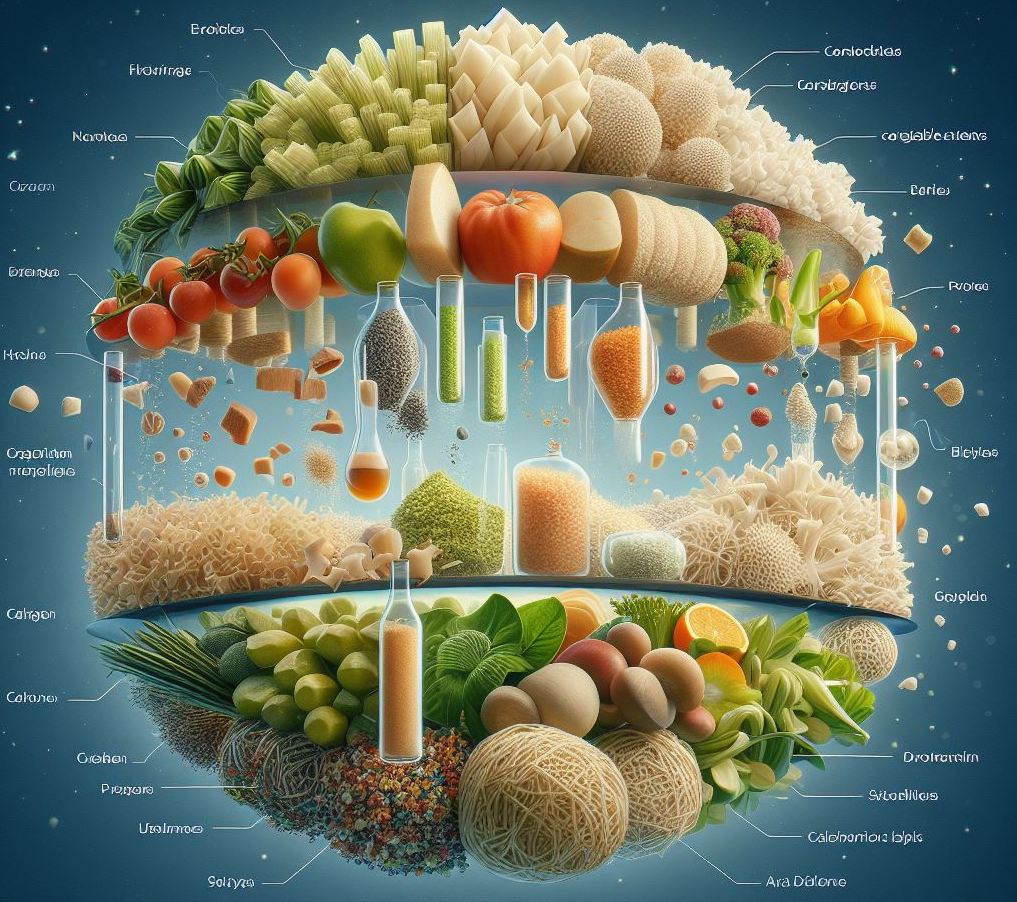
The sorted organic matter, such as fibrous materials like cellulose from vegetable stems and peels, undergoes further intensive breakdown into its most basic constituent elements, including carbon, hydrogen, oxygen and nitrogen using advanced enzymatic hydrolysis techniques. This process involves exposing the organic matter to carefully selected enzymes that rapidly cleave the complex carbohydrates, proteins and lipids into their simplest monomeric building blocks.
The sorted organic matter, such as fibrous materials like cellulose from vegetable stems and peels, undergoes further intensive breakdown into its most basic constituent elements, including carbon, hydrogen, oxygen and nitrogen using advanced enzymatic hydrolysis techniques. This process involves exposing the organic matter to carefully selected enzymes that rapidly cleave the complex carbohydrates, proteins and lipids into their simplest monomeric building blocks.
STEP 4
Reconstruction
Reconstruction
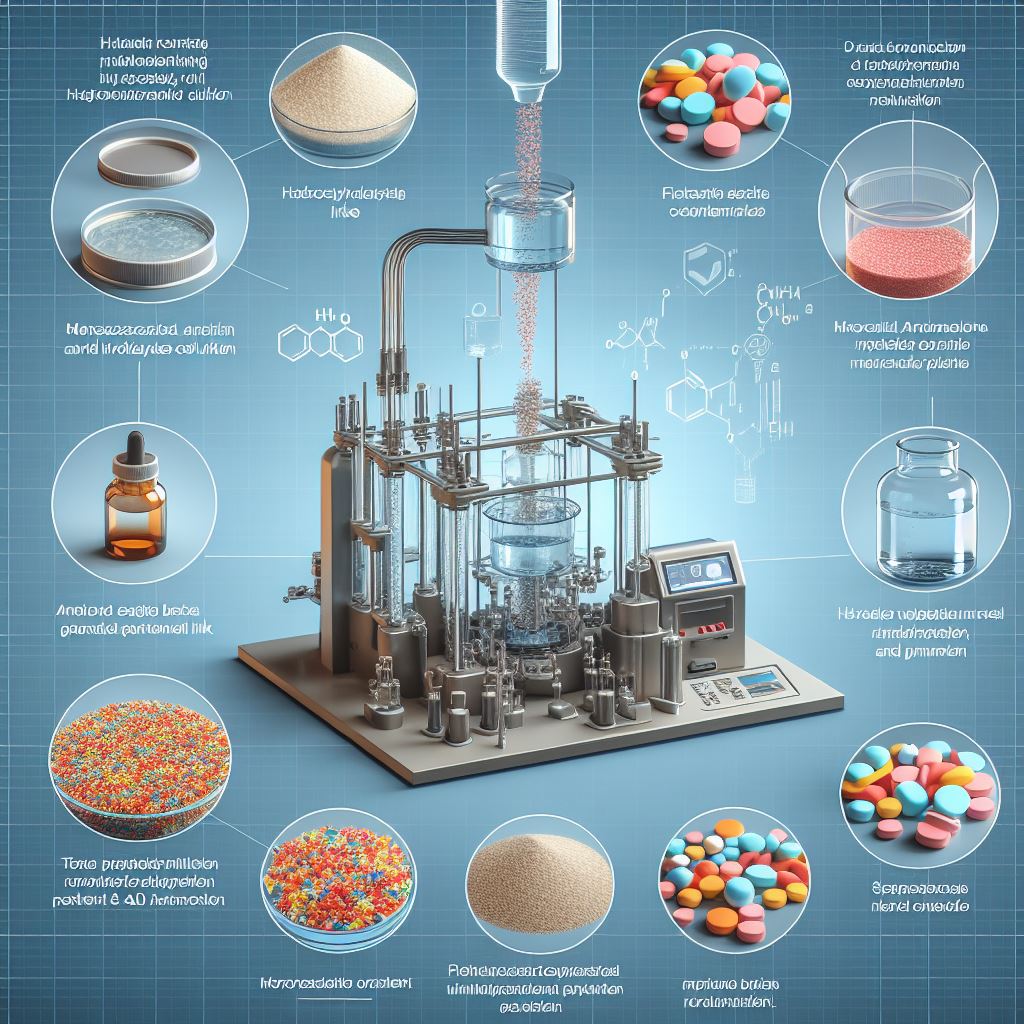
The resulting nutrient-rich hydrolysate solution contains a highly concentrated mixture of monosaccharides, amino acids, fatty acids and other basic organic compounds. This solution is then subjected to additional purification and separation steps to isolate and concentrate the specific nutrients and minerals required for the 3D printing of vitamin and supplement pills. Ion exchange resins, membrane filtration and crystallization techniques are used to extract and purify the desired vitamins, minerals, amino acids and other nutraceuticals to pharmaceutical-grade purity.
These purified, concentrated extracts are then carefully formulated into a printable "ink" that can be used in the 3D printing process to construct the vitamin and supplement pills. The 3D printing process allows for precise control over the size, shape, color and even time-release properties of the pills.
The resulting nutrient-rich hydrolysate solution contains a highly concentrated mixture of monosaccharides, amino acids, fatty acids and other basic organic compounds. This solution is then subjected to additional purification and separation steps to isolate and concentrate the specific nutrients and minerals required for the 3D printing of vitamin and supplement pills. Ion exchange resins, membrane filtration and crystallization techniques are used to extract and purify the desired vitamins, minerals, amino acids and other nutraceuticals to pharmaceutical-grade purity.
These purified, concentrated extracts are then carefully formulated into a printable "ink" that can be used in the 3D printing process to construct the vitamin and supplement pills. The 3D printing process allows for precise control over the size, shape, color and even time-release properties of the pills.
STEP 5
Composting
Composting
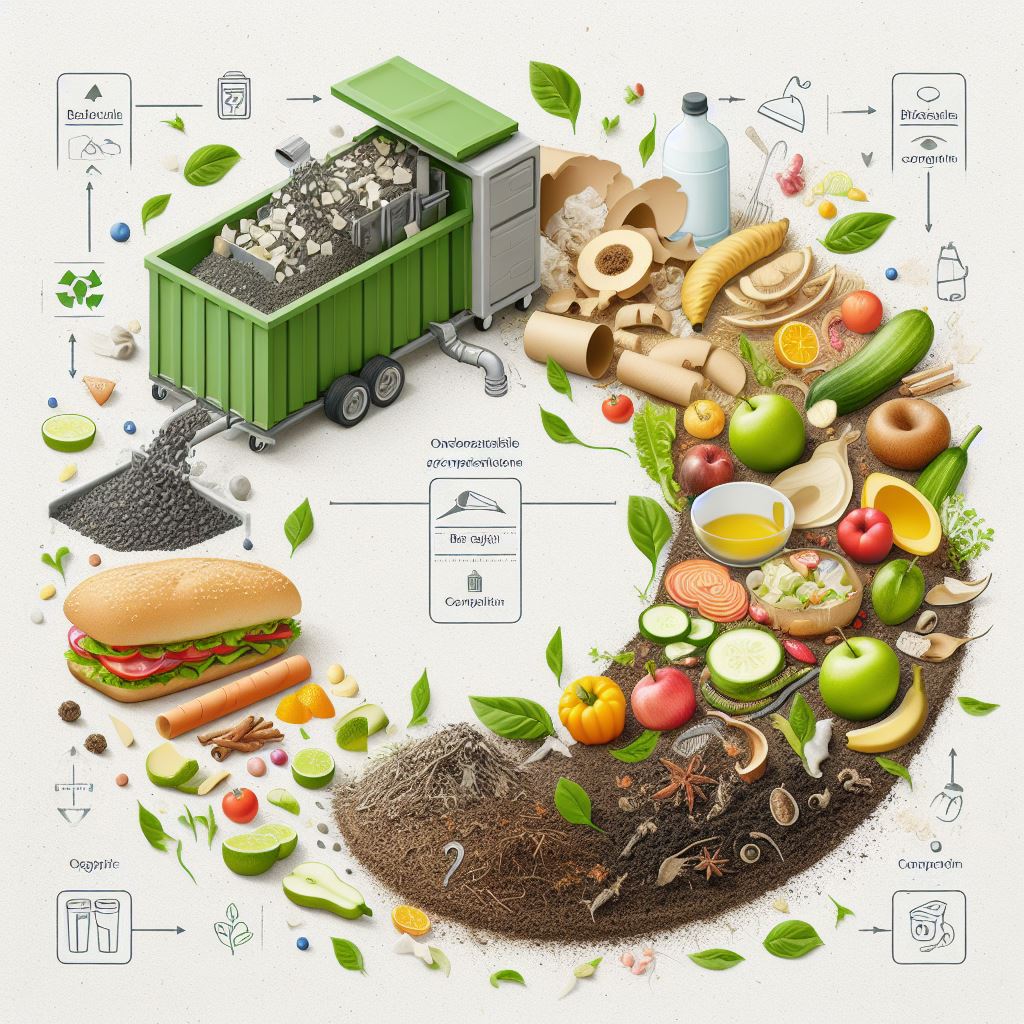
Any leftover organic material that cannot be utilized for food reconstruction, as well as non-biodegradable components, are directed towards a composting process.
This ensures the efficient decomposition of organic matter, producing nutrient-rich compost that can be used for soil enrichment in agricultural or urban farming applications.
Any leftover organic material that cannot be utilized for food reconstruction, as well as non-biodegradable components, are directed towards a composting process.
This ensures the efficient decomposition of organic matter, producing nutrient-rich compost that can be used for soil enrichment in agricultural or urban farming applications.
STEP 6
Monitoring and Optimization
Monitoring and Optimization
The resulting nutrient-rich hydrolysate solution contains a highly concentrated mixture of monosaccharides, amino acids, fatty acids and other basic organic compounds. This solution is then subjected to additional purification and separation steps to isolate and concentrate the specific nutrients and minerals required for the 3D printing of vitamin and supplement pills. Ion exchange resins, membrane filtration and crystallization techniques are used to extract and purify the desired vitamins, minerals, amino acids and other nutraceuticals to pharmaceutical-grade purity.
These purified, concentrated extracts are then carefully formulated into a printable "ink" that can be used in the 3D printing process to construct the vitamin and supplement pills. The 3D printing process allows for precise control over the size, shape, color and even time-release properties of the pills.
The resulting nutrient-rich hydrolysate solution contains a highly concentrated mixture of monosaccharides, amino acids, fatty acids and other basic organic compounds. This solution is then subjected to additional purification and separation steps to isolate and concentrate the specific nutrients and minerals required for the 3D printing of vitamin and supplement pills. Ion exchange resins, membrane filtration and crystallization techniques are used to extract and purify the desired vitamins, minerals, amino acids and other nutraceuticals to pharmaceutical-grade purity.
These purified, concentrated extracts are then carefully formulated into a printable "ink" that can be used in the 3D printing process to construct the vitamin and supplement pills. The 3D printing process allows for precise control over the size, shape, color and even time-release properties of the pills.